

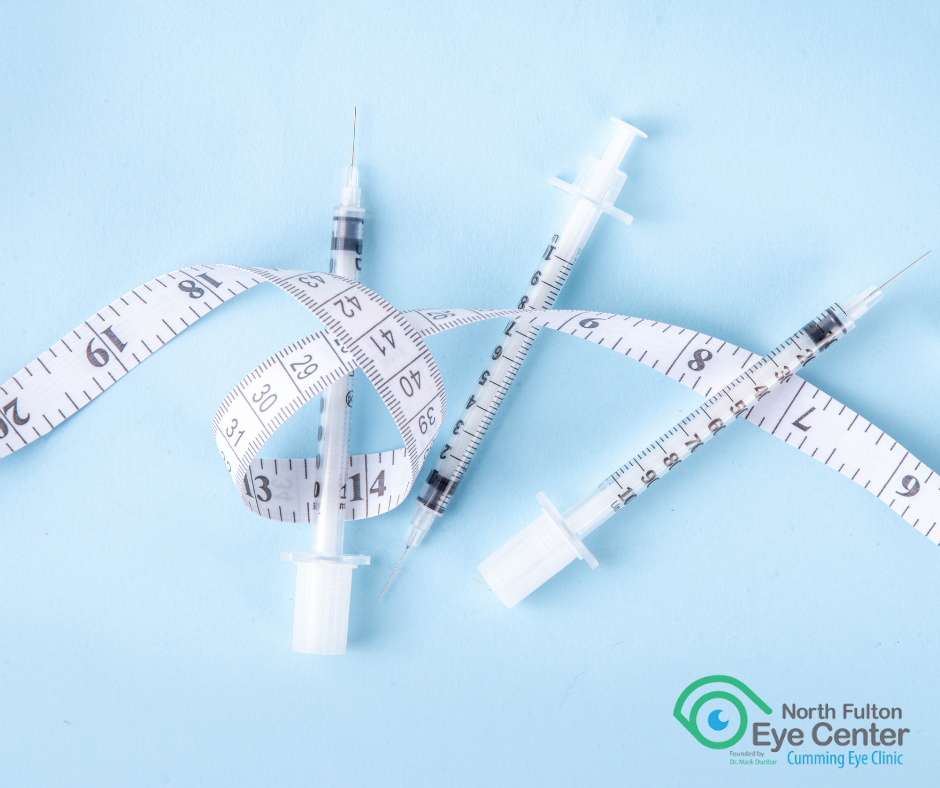
As medications like Ozempic, Wegovy, and Mounjaro (GLP‑1 receptor agonists) become ever more popular for weight management, emerging research points to potential effects these drugs may have on eye health—some rare, but serious.
1. Non-Arteritic Anterior Ischemic Optic Neuropathy (NAION)
What it is:
NAION is a sudden, painless loss of vision in one eye due to reduced blood flow to the optic nerve—an “eye stroke” that can result in permanent vision loss.
What the research shows:
- Patients with type 2 diabetes using semaglutide (Ozempic, Wegovy) were 4 times more likely to develop NAION, and those with obesity up to 7 times more likely, compared to those not taking these drugs.
- In a broader cohort of patients with type 2 diabetes, about 0.04% of those taking semaglutide or tirzepatide (Mounjaro, Zepbound) developed NAION—versus 0.02% in the comparison group. Other optic nerve disorders were also slightly more common among GLP‑1 users.
- High-profile case reports and lawsuits describe individuals who experienced rapid vision loss, often months into treatment.
When to be concerned:
- Sudden or noticeable vision loss or shadowing in one eye, especially if you’re taking a GLP‑1 drug.
- A history of optic nerve issues or vascular risk factors (e.g., small optic disc “crowding,” sleep apnea).
When not to be concerned:
- No vision symptoms and no risk factors identified during a comprehensive eye exam. The overall risk remains very low.
2. Diabetic Retinopathy and Other Retinal Changes
GLP‑1 drugs may be associated with a small increase in diabetic retinopathy.
- A study found a modest rise in new-onset diabetic retinopathy in GLP‑1 users, though most did not experience vision-threatening complications.
When to be concerned:
- If you have existing diabetic retinopathy or notice changes like blurred vision, floaters, or dark spots.
When not to be concerned:
- Regular eye exams show stable retina health and no new symptoms.
3. Neovascular Age-Related Macular Degeneration (nAMD)
A lesser-known but important finding:
- Recent Israeli research indicated that users of semaglutide had double the risk of developing nAMD—a condition characterized by abnormal, leaky blood vessels that can damage central vision.
When to be concerned:
- New-onset central vision distortion (e.g., wavy lines, difficulty reading, dark blur in central vision), especially in older patients.
When not to be concerned:
- If your macula appears healthy during routine exams and there are no visual disturbances.
4. Angle-Closure Glaucoma & Acute Myopia (Topiramate as a Weight-Loss Agent)
While GLP‑1 agonists are the main focus, weight‑loss medications like topiramate (sometimes used off-label) have ocular side effects worth noting:
- Topiramate can trigger acute myopia (sudden nearsightedness) and secondary angle‑closure glaucoma, usually within the first month of use. Symptoms include blurred vision and eye pain. The condition is often reversible once the drug is discontinued.
When to be concerned:
- Rapid vision deterioration or eye pain accompanied by nausea/headache in early stages of topiramate use.
When not to be concerned:
- No vision symptoms and normal eye pressure during check-ups.
What You Can Do to Safeguard Your Vision
- Get a baseline comprehensive eye exam before starting any GLP-1 medication or topiramate—and continue annual or more frequent monitoring.
- Speak up about visual changes—even subtle ones like shadows, distortion, or blurred areas.
- Coordinate care: If you’re under treatment for weight loss or diabetes, ensure your ophthalmologist communicates with your prescribing provider.
- Understand your risk: Having preexisting eye issues or vascular conditions may increase your likelihood of complications.
In Summary
Weight-loss drugs—especially GLP-1 receptor agonists like semaglutide and tirzepatide—offer significant metabolic benefits, but they may carry small, rare risks to eye health, including:
- NAION (“eye stroke”)
- Worsening diabetic retinopathy
- Increased risk of nAMD
- Topiramate-specific risks like angle-closure glaucoma
Staying informed, proactive, and monitored can help you benefit from these therapies while protecting your vision.