

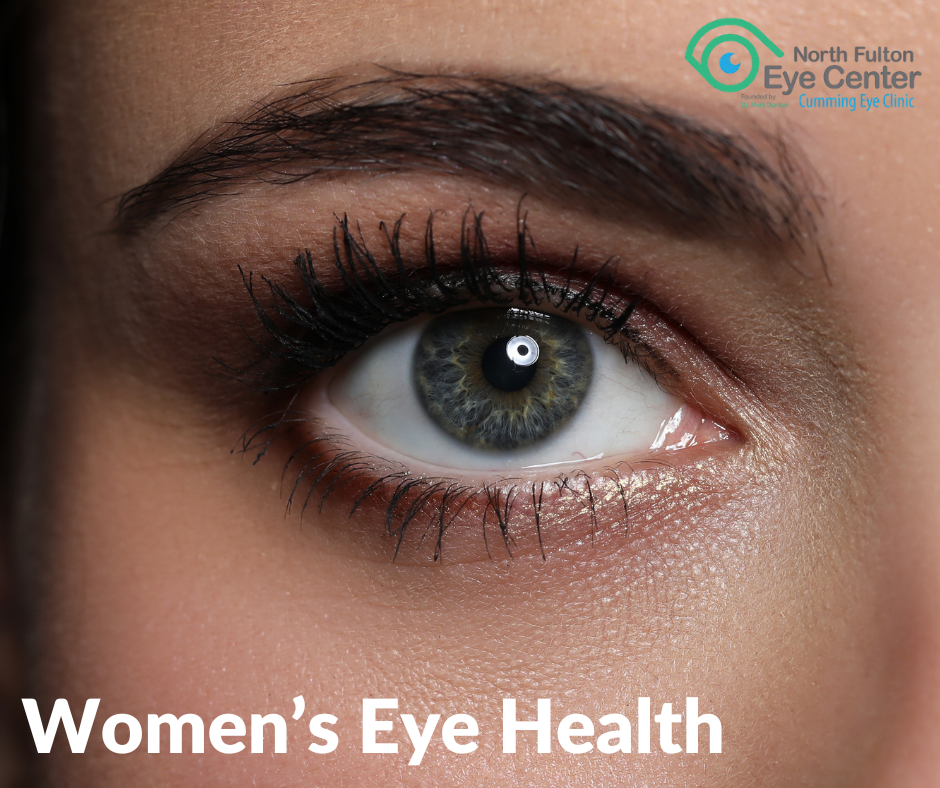
When it comes to overall health, eye care is often overlooked—but for women, it plays a critical role. Women account for nearly two-thirds of individuals living with blindness or visual impairment in the United States. While longer life expectancy is part of the reason, hormonal changes, autoimmune disease, and chronic health conditions all contribute to increased risk. Understanding how these conditions affect the eyes can help with earlier detection and better long-term outcomes.
Dry Eye Disease
Dry eye disease is one of the most common conditions affecting women, and it is often more than just occasional irritation. Women are two to three times more likely than men to experience dry eye, particularly after menopause. Hormonal changes—especially declines in estrogen and androgens—can disrupt the tear film and reduce the function of the oil-producing glands in the eyelids. This leads to symptoms like burning, redness, fluctuating vision, and a persistent gritty sensation.
Autoimmune conditions also play a significant role. Sjögren’s Syndrome, which overwhelmingly affects women, targets the glands responsible for producing tears and saliva, often resulting in severe, chronic dry eye. For many women, dry eye is not just a comfort issue—it can impact reading, screen use, and overall quality of life if left untreated.
Age-Related Macular Degeneration (AMD)
Age-related macular degeneration is a leading cause of vision loss, particularly in women over the age of 60. Women account for approximately 65% of cases in the United States. This condition affects the macula, the part of the retina responsible for central vision, which is essential for activities like reading, driving, and recognizing faces.
The higher prevalence in women is partly due to longer life expectancy, but research also suggests potential hormonal and genetic influences. The condition often develops gradually, and early stages may go unnoticed without routine eye exams. As it progresses, it can lead to distortion or loss of central vision, making early detection especially important.
Cataracts
Cataracts are the most common cause of reversible vision loss worldwide, and women are more frequently affected than men. Women represent roughly 60% of cataract cases globally. A cataract occurs when the natural lens of the eye becomes cloudy, leading to blurred vision, glare sensitivity, and difficulty seeing at night.
Hormonal changes, cumulative ultraviolet exposure, and longer life expectancy all contribute to the increased risk in women. Cataracts typically develop slowly, but they can significantly interfere with daily activities over time. Cataract surgery remains one of the most effective procedures in medicine, with high success rates in restoring vision.
Glaucoma
Glaucoma is often referred to as the “silent thief of sight” because it typically progresses without noticeable symptoms in its early stages. Women represent about 60% of glaucoma cases worldwide. This condition damages the optic nerve, often due to increased pressure within the eye, and can lead to permanent vision loss if not detected early.
Because symptoms may not appear until later stages, routine eye exams are essential. Certain forms, including normal-tension glaucoma, may be more prevalent in women. Early diagnosis allows for treatment that can slow or prevent progression, helping to preserve vision.
Diabetic Eye Disease
Systemic health conditions have a direct impact on eye health, and diabetes is one of the most significant. Women with diabetes are at risk for Diabetic Retinopathy, a condition that damages the small blood vessels in the retina and can lead to vision loss if not properly monitored.
Pregnancy can further influence diabetic eye disease, as hormonal and vascular changes may accelerate its progression. Blood sugar control plays a critical role in reducing risk, and regular dilated eye exams are essential for early detection. Many patients do not experience symptoms in the early stages, making consistent screening especially important.
Autoimmune Diseases and Eye Health
Autoimmune diseases disproportionately affect women, accounting for nearly 80% of cases. Many of these conditions have direct effects on the eyes, leading to inflammation, dryness, and potential damage to ocular structures.
Conditions such as rheumatoid arthritis and lupus can cause chronic dry eye, inflammation of the outer layers of the eye, and, in some cases, more serious complications that threaten vision. Because symptoms can be subtle, eye involvement may go unrecognized without regular evaluation.
Pregnancy and Vision Changes
Pregnancy brings hormonal and fluid shifts that can temporarily affect vision. Some women experience increased dryness, blurred vision, or mild changes in their prescription due to corneal swelling and fluid retention. These changes are typically temporary but can still impact daily comfort and clarity.
In certain cases, pregnancy can worsen existing conditions, particularly those related to diabetes or high blood pressure. For this reason, women with underlying health conditions should continue routine medical and eye care throughout pregnancy.
Prioritizing Preventive Eye Care
Despite increased risk, many women delay eye care due to competing responsibilities and time constraints. However, many of the leading causes of vision loss are manageable or preventable when identified early.
Comprehensive eye exams do more than assess vision. They can detect early signs of systemic conditions such as diabetes, hypertension, and autoimmune disease—often before symptoms appear elsewhere.
Prioritizing eye health is an important part of maintaining overall health. Routine evaluations allow for early detection, timely treatment, and long-term preservation of vision.
Schedule your comprehensive eye exam today and make September the month you put your vision first.
Call us today to schedule your annual appointment. (770) 475-0123