

Understanding Low Vision and the Path to Maintaining Independence
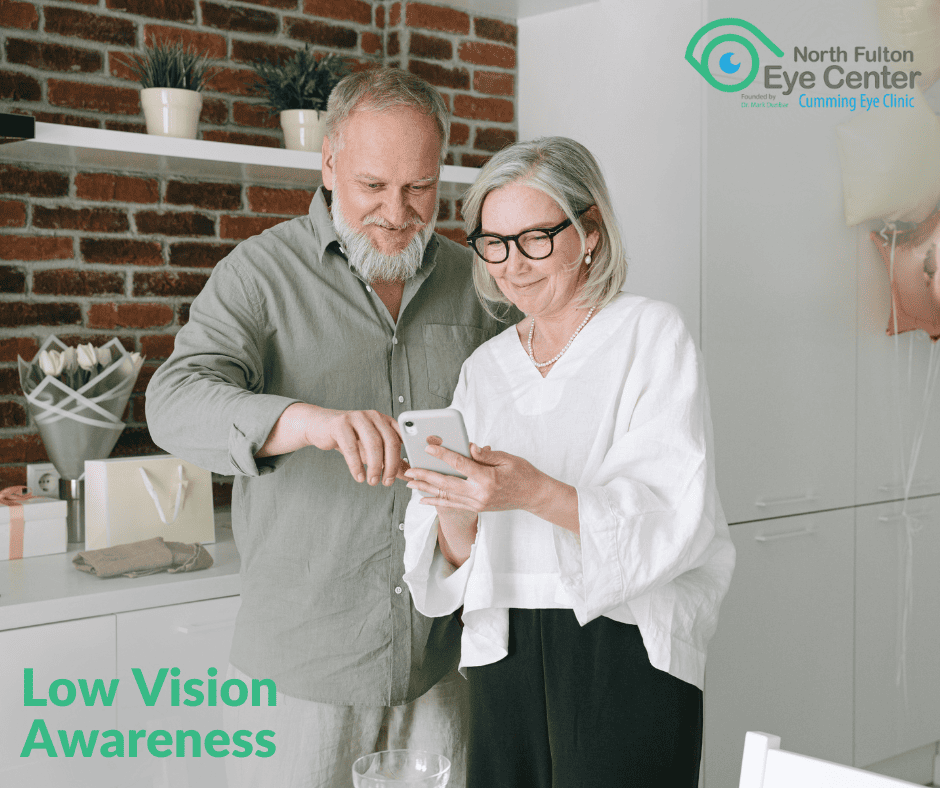
February is recognized as Low Vision Awareness Month, a time dedicated to increasing understanding of vision loss that cannot be corrected with glasses, contact lenses, or standard surgical treatment. For millions of Americans, low vision affects daily activities such as reading, driving, recognizing faces, and maintaining independence. With the right care, early diagnosis, and access to modern low vision treatment options, many patients can continue to live full and active lives.
At North Fulton Eye Center, helping patients protect and maximize their remaining vision is a central part of our long-standing commitment to comprehensive ophthalmic care for families throughout Roswell, Cumming, Alpharetta, and the surrounding North Fulton and Forsyth communities.
What Is Low Vision?
Low vision is not complete blindness. It is a level of visual impairment that interferes with everyday activities and cannot be fully corrected with traditional prescription lenses or routine eye surgery. Individuals with low vision may still have usable sight, but they often experience:
- Blurred or hazy vision
- Loss of central vision
- Reduced peripheral (side) vision
- Difficulty seeing in low light
- Decreased contrast sensitivity
These changes can make common tasks—reading a menu, managing medications, watching television, or navigating steps safely—significantly more challenging.
The Most Common Causes of Low Vision
Low vision is most often associated with chronic, progressive eye diseases. The leading causes include:
Age-related macular degeneration (AMD)
One of the most common causes of central vision loss in adults over 50, macular degeneration affects the portion of the retina responsible for detailed vision needed for reading and recognizing faces.
Diabetic retinopathy
Damage to the retinal blood vessels caused by diabetes can lead to swelling, bleeding, and areas of poor circulation, resulting in permanent visual impairment if not detected and treated early.
Glaucoma
This condition damages the optic nerve and typically affects peripheral vision first. Because the early stages often have no symptoms, many patients are unaware of the loss until significant vision has already been affected.
Cataracts
Although cataracts are treatable with surgery, advanced cases can cause severe visual reduction if left unaddressed.
Retinal vascular disease and inherited eye conditions
These can also contribute to reduced functional vision.
Because many of these conditions develop gradually and without pain, routine comprehensive eye exams are essential for early detection and long-term vision preservation.
The Emotional and Functional Impact of Vision Loss
Low vision affects more than eyesight. It can influence mobility, independence, confidence, and overall quality of life. Patients often report difficulty with:
- Reading mail or digital screens
- Driving, especially at night
- Cooking and measuring medications
- Recognizing faces
- Preventing falls due to reduced depth perception
Early diagnosis allows for timely intervention, access to visual aids, and strategies that help patients remain active and independent.
Low Vision Rehabilitation and Treatment Options
While low vision cannot always be fully reversed, modern ophthalmology offers a wide range of tools and technologies that can significantly improve daily functioning.
Depending on the cause and severity of vision loss, management may include:
- Treatment of underlying eye disease to preserve remaining vision
- High-powered magnification devices
- Specialized reading lenses
- Electronic visual aids
- Contrast-enhancing filters
- Customized lighting strategies
- Training in adaptive visual techniques
The goal of low vision rehabilitation is to help patients use their remaining vision as effectively as possible.
Why Early Detection Is Critical
Many of the conditions that lead to low vision—including macular degeneration, diabetic eye disease, and glaucoma—may not cause noticeable symptoms in their earliest stages. Patients often believe their vision is “normal for their age,” when in reality, measurable changes are already occurring.
A routine comprehensive eye exam allows for:
- Early diagnosis
- Monitoring of disease progression
- Timely treatment
- Education and planning for future visual needs
This proactive approach can slow vision loss and dramatically improve long-term outcomes.
Protecting Your Vision for the Future
There are important steps patients can take to reduce their risk of vision loss and support lifelong eye health:
- Managing diabetes, blood pressure, and cholesterol
- Not smoking
- Eating a diet rich in leafy greens and omega-3 fatty acids
- Wearing UV-protective sunglasses
- Scheduling regular eye exams, especially after age 40
These measures not only support eye health but also contribute to overall systemic wellness.
A Longstanding Commitment to Vision and Quality of Life
For more than three decades, North Fulton Eye Center has provided advanced, patient-centered ophthalmic care, with a focus on early detection, medical management of eye disease, and long-term visual outcomes.
Low Vision Awareness Month is an important reminder that vision loss does not mean loss of independence. With the right diagnosis, guidance, and access to today’s technology, patients with low vision have more resources than ever before.
Whether you are experiencing changes in your vision, have been diagnosed with a chronic eye condition, or simply want to take a preventive approach to your eye health, a comprehensive eye exam is the first and most important step.
Moving Forward with Confidence
Protecting your vision begins with understanding your risk and taking action early. Regular eye examinations allow for the detection of conditions that can lead to low vision and provide the opportunity to preserve sight for as long as possible.
This Low Vision Awareness Month, we encourage patients and families across North Fulton and Forsyth County to make eye health a priority—because maintaining vision is essential to maintaining independence, safety, and quality of life.
To schedule a comprehensive eye exam, contact North Fulton Eye Center and take the next step toward protecting your long-term vision.