

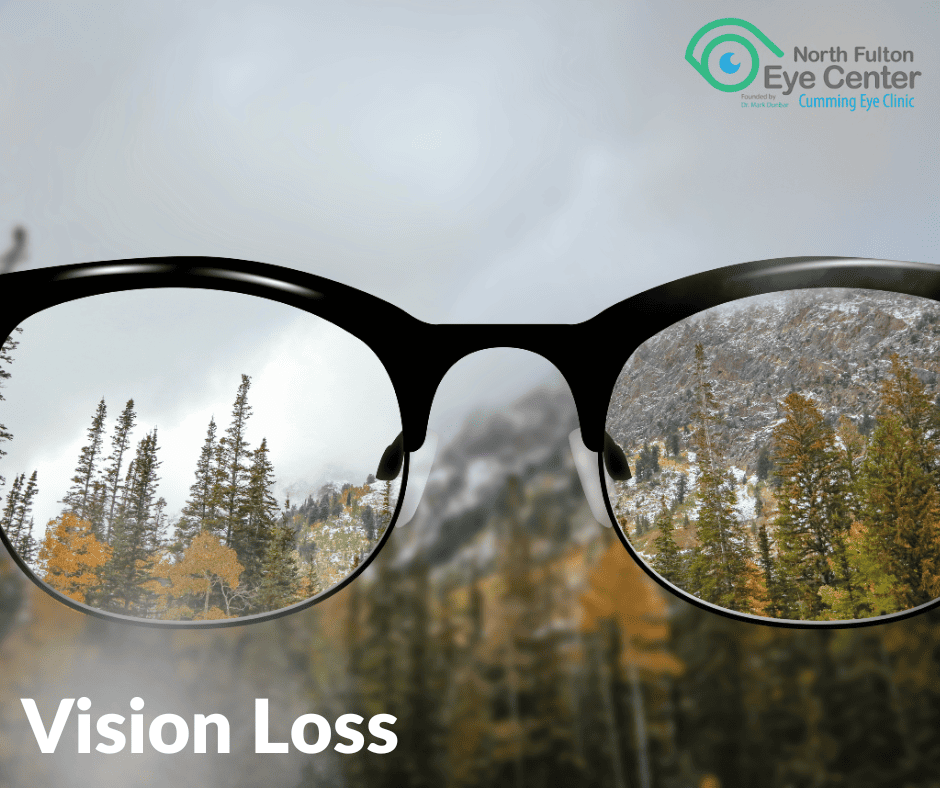
March is recognized as Save Your Vision Month, a time to emphasize the importance of early detection of eye disease through routine, comprehensive eye exams. Vision changes rarely happen suddenly. In most cases, they develop gradually, often without noticeable symptoms in the early stages. This is why many patients in Alpharetta, Cumming, and across North Fulton first begin their search with terms like “eye exam near me” or “ophthalmologist in North Atlanta” only after changes in vision have already begun.
In the United States, millions of adults are living with vision impairment, and globally, at least 2.2 billion people are affected by near or distance vision loss. Nearly half of these cases are considered preventable or treatable with early diagnosis and proper care. For patients seeking an eye doctor in Alpharetta or a comprehensive eye exam in Cumming, understanding how vision changes over time is one of the most important steps in protecting long-term eye health.
Vision Changes in Children and Adolescents
Vision development begins early, and many eye conditions can start in childhood without being obvious to parents or teachers. Myopia, or nearsightedness, has become increasingly common, with more than one-third of children and teenagers affected. The rise in screen time, including tablets, phones, and computers, along with decreased time spent outdoors, has been strongly associated with this increase.
Parents often search for “child eye exam near me,” “pediatric eye doctor Alpharetta,” or “when should kids see an eye doctor,” especially if a child is struggling in school or showing signs of eye strain. However, many children do not report vision problems because they assume what they see is normal.
A comprehensive pediatric eye exam can detect refractive errors such as myopia, farsightedness, and astigmatism, as well as conditions like amblyopia (lazy eye) and eye alignment issues. These conditions can impact reading ability, attention, and academic performance if left untreated.
Early detection allows for timely intervention, which may include corrective lenses or monitoring to prevent worsening vision. In many cases, identifying these issues early can significantly improve both visual development and overall learning.
Vision Changes in Adults (Ages 20–40)
For many adults between the ages of 20 and 40, vision feels stable, which is why routine eye care is often overlooked. However, this is the age group where digital eye strain has become one of the most common concerns. Patients frequently search for “blurry vision from screens,” “eye strain relief,” or “dry eye treatment near me,” especially those working long hours on computers.
Extended screen use reduces blink rate, which contributes to dry eye symptoms such as burning, irritation, and fluctuating vision. Headaches and difficulty focusing are also common complaints. Even patients with otherwise healthy eyes may experience these symptoms due to prolonged digital exposure.
Routine comprehensive eye exams during this stage are still important, particularly for individuals with a family history of glaucoma, macular degeneration, or those managing chronic conditions like diabetes or high blood pressure. These exams allow an ophthalmologist to establish a baseline for eye health and detect subtle changes before they progress.
Patients searching for an ophthalmologist in Alpharetta or an eye exam in North Fulton often benefit from early evaluation, even in the absence of symptoms.
Vision Changes After Age 40
After age 40, most adults begin to notice changes in their ability to focus on near objects, a condition known as presbyopia. This is often the point when patients search for “reading glasses,” “difficulty focusing up close,” or “eye doctor near me for vision changes.”
At the same time, the risk for more serious eye conditions begins to increase. Glaucoma, often referred to as the “silent thief of sight,” develops gradually and without noticeable symptoms in its early stages. By the time vision loss occurs, it is typically permanent. This is why routine glaucoma screening during a comprehensive eye exam is critical, especially for patients over 40.
Cataracts may also begin to develop during this stage, leading to symptoms such as blurred vision, glare from lights, and difficulty seeing at night. While cataracts progress slowly, they are one of the most common reasons patients seek evaluation from an ophthalmologist in Cumming or Alpharetta.
Regular eye exams allow for early identification of these conditions and help guide appropriate monitoring or treatment before vision is significantly affected.
Vision Changes After Age 60
For adults over 60, the likelihood of developing vision-threatening conditions increases significantly. Cataracts, age-related macular degeneration (AMD), and diabetic retinopathy are among the leading causes of vision loss in this age group.
Cataracts remain one of the most common causes of decreased vision, often leading patients to search for “cataract surgery near me” or “blurred vision in older adults.” Age-related macular degeneration affects central vision and can impact activities such as reading and driving. Diabetic retinopathy, which is associated with long-term diabetes, can develop without early symptoms but lead to significant vision impairment if not monitored.
Patients in North Fulton searching for an ophthalmologist near me or a retina specialist often do so after noticing vision changes, but routine dilated eye exams can detect these conditions before symptoms occur.
Maintaining regular eye care at this stage is essential for preserving independence and quality of life.
The Role of Preventive Eye Exams
Many patients begin with a search for “eye exam near me” or “best ophthalmologist in Alpharetta,” but the value of these visits goes far beyond updating a prescription. A comprehensive eye exam evaluates the overall health of the eye and can detect early signs of glaucoma, macular degeneration, diabetic eye disease, and other conditions that may not yet affect vision.
Preventive eye exams also allow physicians to monitor changes over time, which is critical for identifying trends that could indicate developing disease. For patients with systemic conditions such as diabetes, hypertension, or autoimmune disease, eye exams are an important part of overall health management.
In many cases, vision loss is preventable when conditions are identified early and treated appropriately. This makes routine eye care one of the most effective steps patients can take to protect their long-term vision.