
Seeing clearly does not always mean your eyes are healthy. Some eye diseases develop without noticeable symptoms, making regular eye examinations an important part of protecting long-term vision.
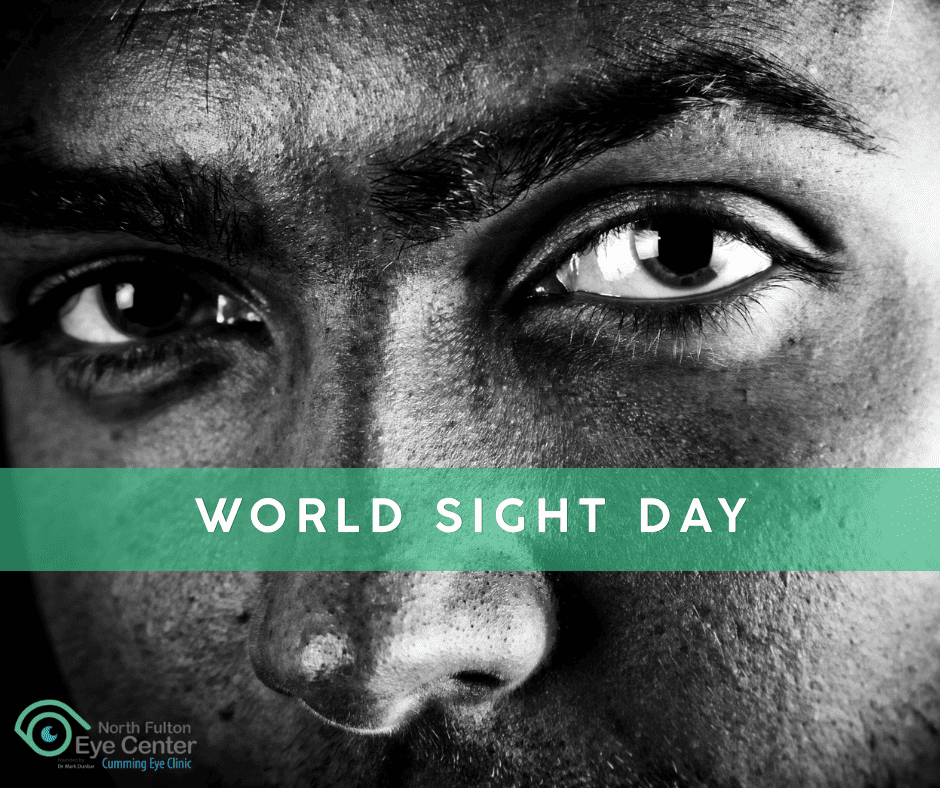
World Sight Day, observed on October 8 in 2026, brings attention to eye health and access to eye care worldwide. For patients throughout Roswell, Alpharetta and Cumming (some of the areas we serve), it is also an opportunity to consider when they last had a comprehensive eye exam – and whether changes in their vision deserve closer attention.
The World Health Organization estimates that at least 2.2 billion people worldwide have a near or distance vision impairment. In at least 1 billion of these cases, the impairment could have been prevented or has yet to be addressed. These figures reflect the importance of access to vision correction, timely diagnosis and appropriate treatment.
Why a Comprehensive Eye Exam Matters
An eye examination evaluates more than your ability to read an eye chart. A comprehensive exam can assess eye pressure, visual function and the health of structures inside the eye. Dilating the pupils gives your eye doctor a better view of the retina and optic nerve, helping identify conditions such as glaucoma, diabetic retinopathy and age-related macular degeneration. Additional testing may be recommended based on your findings and medical history.
Waiting until vision becomes blurry can delay the detection of disease. Regular eye care gives patients an opportunity to understand their risks and establish a monitoring or treatment plan before a condition progresses.
Eye Conditions That Can Affect Long-Term Vision
Glaucoma: Changes May Begin Without Warning
Glaucoma damages the optic nerve, which carries visual information from the eye to the brain. It often develops gradually, with no symptoms in its early stages. Because patients may not recognize changes themselves, comprehensive dilated eye exams play an important role in detection.
There is no cure for glaucoma, but early treatment can help prevent further damage and protect remaining vision.
Diabetic Retinopathy: Eye Care Is Part of Diabetes Care
Diabetic retinopathy affects blood vessels in the retina and can cause vision loss. Early disease may have no symptoms, so clear vision does not eliminate the need for a diabetic eye exam.
The National Eye Institute recommends a comprehensive dilated eye exam at least once a year for people with diabetes. Some patients need more frequent monitoring. Managing blood sugar, blood pressure and cholesterol also supports efforts to reduce the risk of vision loss.
Cataracts: Recognizing Gradual Vision Changes
A cataract is a cloudy area in the eye’s lens. Cataracts can cause blurred vision, faded colors, increased glare and difficulty seeing at night. These changes may become particularly noticeable when reading or driving after dark.
An eye exam can help determine whether cataracts are contributing to symptoms. Surgery is the treatment that removes a cataract, although early symptoms may be managed with updated glasses, improved lighting and other adjustments.
Macular Degeneration: Paying Attention to Central Vision
Age-related macular degeneration, or AMD, affects the macula—the part of the retina responsible for sharp central vision. It can make reading, recognizing faces and other detailed tasks more difficult.
Early AMD may have no symptoms. New distortion, such as straight lines appearing wavy, warrants prompt evaluation by an eye doctor. Treatment and monitoring depend on the type and stage of the disease.
Everyday Habits That Support Eye Health
Protecting your eyes also involves decisions outside the examination room. Choose sunglasses that block 99% to 100% of UVA and UVB radiation, and use appropriate protective eyewear during activities that carry a risk of eye injury, including home repairs and certain sports.
Smoking increases the risk of cataracts and macular degeneration. Avoiding tobacco, staying physically active and following a balanced diet support overall health and eye health.
For prolonged computer use, the National Eye Institute recommends the 20-20-20 approach: every 20 minutes, look at something about 20 feet away for 20 seconds to give your eyes a rest.
Vision Symptoms That Should Not Wait
A sudden increase in floaters, flashes of light, or a dark shadow resembling a curtain across your vision can signal a retinal tear or retinal detachment. Seek immediate medical attention rather than waiting for a routine appointment. Retinal detachment is a medical emergency, and delaying treatment increases the risk of permanent vision loss.
Comprehensive Eye Care in Roswell and Cumming
The right eye exam schedule depends on your age, medical history, family history and existing eye conditions. Ask your ophthalmologist how often you should be examined, even if you have not noticed a change in your sight.
North Fulton Eye Center and Cumming Eye Clinic provide comprehensive ophthalmology care through offices in Roswell and Cumming, serving patients across North Fulton and Forsyth counties, including nearby Alpharetta. Services include comprehensive eye examinations, cataract care and medical management of conditions such as glaucoma, dry eye and diabetic eye disease.
To schedule an eye exam or discuss a vision concern, call 770-475-0123 or visit North Fulton Eye Center at one of our two convenient locations – Roswell, GA and Cumming, GA.